
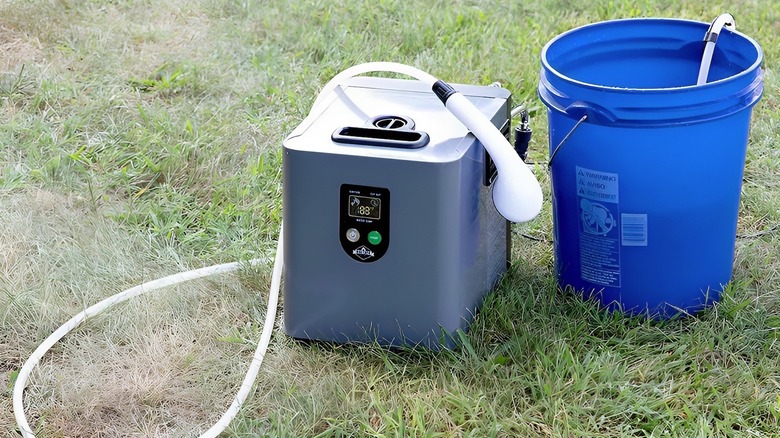
In a world where convenience is king, the ability to access warm water on-the-go is no longer a luxury but a necessity. Whether you’re camping in the wilderness, working on a remote job site, or simply looking for a temporary solution during home repairs, portable water heaters and pumps offer an efficient and practical solution. This guide will delve into the intricacies of these devices, exploring their functionality, benefits, and how to choose the right one for your needs.
Understanding Portable Water Heaters and Pumps
Portable water heaters and pumps are compact devices designed to provide hot water wherever it’s needed. They are particularly popular among outdoor enthusiasts, construction workers, and homeowners seeking temporary water heating solutions.
Types of Portable Water Heaters
- Propane Water Heaters: These heaters use propane gas to heat water and are ideal for camping and other outdoor activities. They are known for their efficiency and ability to heat water quickly.
- Electric Water Heaters: Electric models are powered by batteries or a plug-in source. They are suitable for indoor use or areas with access to electricity.
- Tankless Water Heaters: As the name suggests, these heaters do not store water but heat it on demand. This feature makes them highly energy-efficient.
Benefits of Using Portable Water Heaters
Adopting a portable water heater and pump comes with several advantages:
- Convenience: They provide hot water at any location, making them perfect for camping, road trips, and emergency situations.
- Energy Efficiency: By heating water on-demand, tankless models reduce standby energy losses that occur with traditional heaters.
- Compact Design: Their lightweight and compact nature make them easy to transport and store.
- Cost-Effective: They eliminate the need for expensive plumbing installations, offering a budget-friendly solution for temporary hot water needs.
Choosing the Right Portable Water Heater
Considerations
- Power Source: Decide if you need a propane or electric model based on where you’ll be using it.
- Flow Rate: This refers to the amount of water that can be heated per minute. Choose a higher flow rate for applications requiring a significant amount of hot water.
- Size and Weight: Ensure the heater is portable enough for your needs, especially if you’ll be carrying it over long distances.
- Safety Features: Look for models with automatic shut-off and overheating protection to ensure safe operation.
Installation and Maintenance Tips
While portable water heaters are generally easy to install, following these tips can enhance performance and longevity:
- Read the Manual: Always follow the manufacturer?s instructions for installation and operation.
- Regular Maintenance: Clean filters and check connections frequently to prevent malfunctions.
- Proper Storage: Store the heater in a dry place to avoid damage from moisture.
Conclusion
Portable water heaters and pumps have revolutionized the way people access warm water outside of traditional settings. By understanding the different types, benefits, and key considerations, individuals can make informed decisions to meet their specific needs. For those seeking a reliable and efficient solution, exploring the variety of options available in the market is a worthwhile endeavor. With the right device, staying warm anywhere becomes not just possible, but convenient and efficient.