
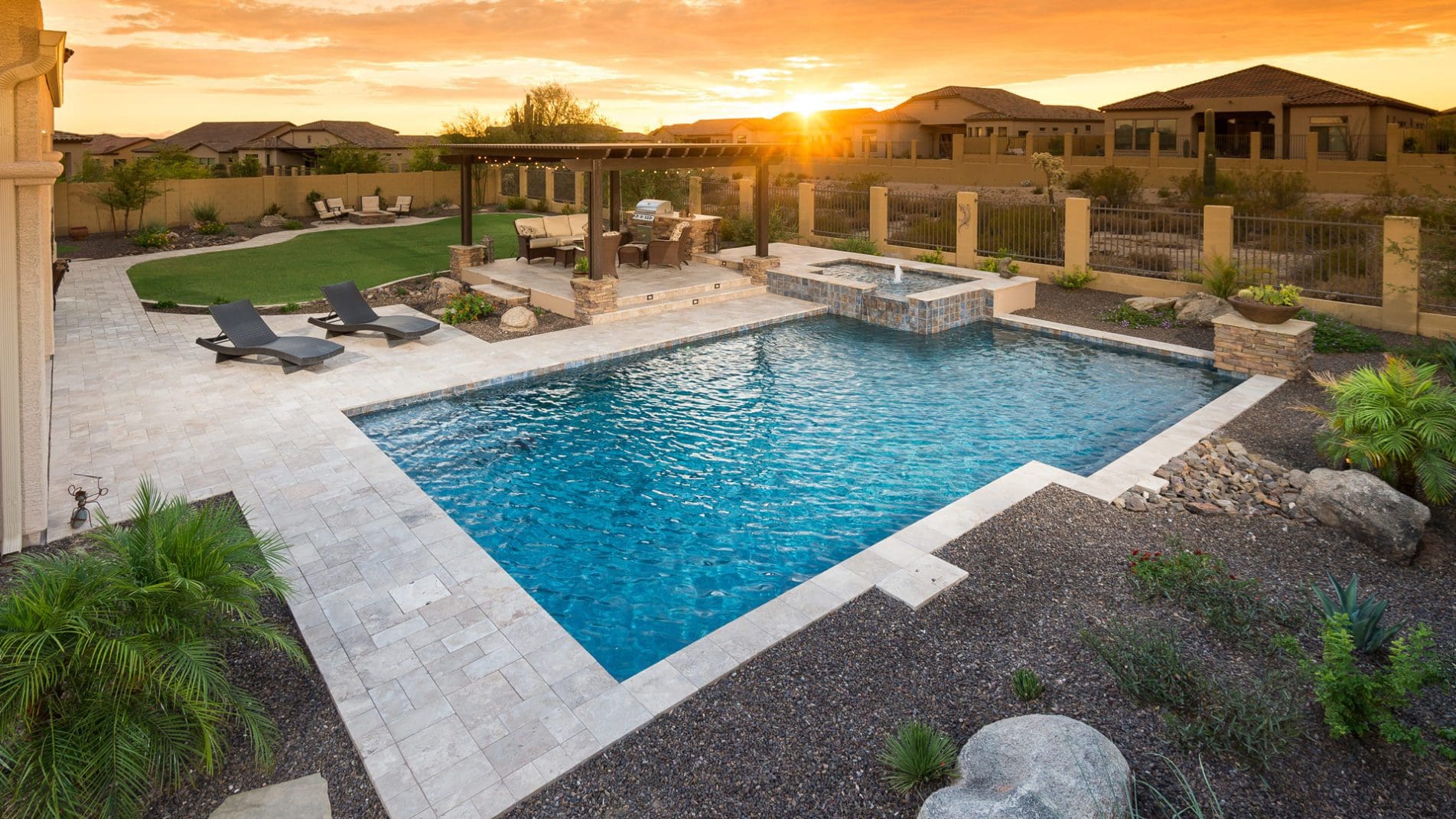
Inground pools have long been a symbol of luxury and leisure, offering homeowners a private oasis for relaxation and entertainment. However, deciding to install an inground pool is a significant financial commitment. This article explores the pros and cons of investing in an inground pool, helping you make an informed decision about whether it’s worth the cost.
Pros of Installing an Inground Pool
Inground pools provide several advantages that can enhance your lifestyle and property value. Here are some key benefits:
- Increased Property Value: A well-designed inground pool can boost the market value of your home. It appeals to potential buyers who desire a ready-made recreational space.
- Enhanced Aesthetic Appeal: Inground pools can be designed to complement your landscaping, adding visual appeal and creating a cohesive outdoor environment.
- Personalized Recreation: Enjoy customized features like waterfalls, lighting, and spas that cater to your specific tastes and lifestyle needs.
- Health and Fitness: Swimming is an excellent form of exercise. Having an inground pool at home provides a convenient way to maintain physical fitness.
- Social Hub: Pools serve as a perfect setting for social gatherings, offering a fun and inviting atmosphere for friends and family.
To explore advanced guides and tips on how to maximize the benefits of an inground pool, discover expert strategies here.
Cons of Installing an Inground Pool
While the advantages are numerous, there are also several drawbacks to consider:
- High Initial Cost: The installation of an inground pool is a costly affair, with expenses extending beyond just construction to include landscaping and additional features.
- Maintenance Responsibilities: Pools require regular upkeep, including cleaning, chemical balancing, and equipment maintenance, which can be time-consuming and costly.
- Increased Utility Bills: Operating a pool involves significant water and electricity usage, leading to higher utility costs.
- Limited Use: In climates with long winters, outdoor pools may only be usable for part of the year unless a heating system is installed, which adds to the cost.
- Safety Concerns: Pools pose safety risks, particularly for children and pets, necessitating additional safety measures such as fencing and alarms.
For tailored solutions on managing these challenges, learn about our tailored solutions.
Cost Considerations
Understanding the financial implications is crucial when considering an inground pool:
Initial Installation Costs
The initial cost of installing an inground pool can vary widely based on factors such as size, materials, and location. On average, homeowners can expect to spend between $35,000 and $65,000.
Ongoing Maintenance Expenses
Maintenance expenses can include:
- Cleaning supplies and equipment
- Pool chemicals for water balance
- Repairs and part replacements
- Increased water and electricity usage
To find out more about this approach, consider the comprehensive resources available at this link.
Insurance and Safety Costs
Installing an inground pool might increase your homeowner’s insurance premiums due to the added liability. Safety features, though essential, will also add to the initial and ongoing costs. It’s important to factor these into your budget.
For further insights into managing pool expenses and maximizing enjoyment, explore advanced guides and tips.
Conclusion
Deciding whether an inground pool is worth the cost involves weighing the benefits of increased property value, enhanced lifestyle, and personal enjoyment against the financial and maintenance responsibilities. Carefully consider your budget, lifestyle, and long-term plans to determine if this investment aligns with your goals. For personalized guidance and detailed advice on pool installation and maintenance, discover expert strategies here.