
As society becomes increasingly aware and supportive of diverse gender identities, individuals seeking to align their bodies with their gender identity have more resources and options available. One such option is masculinization surgery, a transformative procedure that allows individuals to acquire male-typical characteristics. Understanding this complex process is crucial for those considering the journey, as well as for their allies and supporters.
What is Masculinization Surgery?
Masculinization surgery, also known as body masculinization surgery, encompasses a variety of procedures aimed at transforming the body to reflect male characteristics. This can include surgeries on the chest, face, and genitalia. Each procedure is tailored to the individual’s specific needs and desired outcomes.
Types of Masculinization Surgeries
- Chest Masculinization: Often referred to as “top surgery,” this procedure involves the removal of breast tissue to create a more traditionally masculine chest contour.
- Facial Masculinization: This includes procedures such as jaw contouring, cheek augmentation, and rhinoplasty to enhance masculine facial features.
- Genital Surgery: Known as phalloplasty or metoidioplasty, these surgeries construct a penis and may involve additional procedures to achieve desired functionality and appearance.
The Process of Masculinization Surgery
Consultation and Planning
The first step in the journey is an extensive consultation with a qualified surgeon. This session involves discussing the individual’s goals, assessing their health and medical history, and understanding the various options available. It’s essential to select a surgeon with experience in gender-affirming surgeries to ensure the best possible outcomes.
Pre-Surgery Preparation
Prior to surgery, patients may need to undergo specific preparations, which could include:
- Medical evaluations to ensure overall health readiness.
- Psychological assessments to confirm that the individual is making an informed decision.
- Discussions about hormone therapy, as some procedures may require prior hormone use to achieve optimal results.
The Surgical Procedure
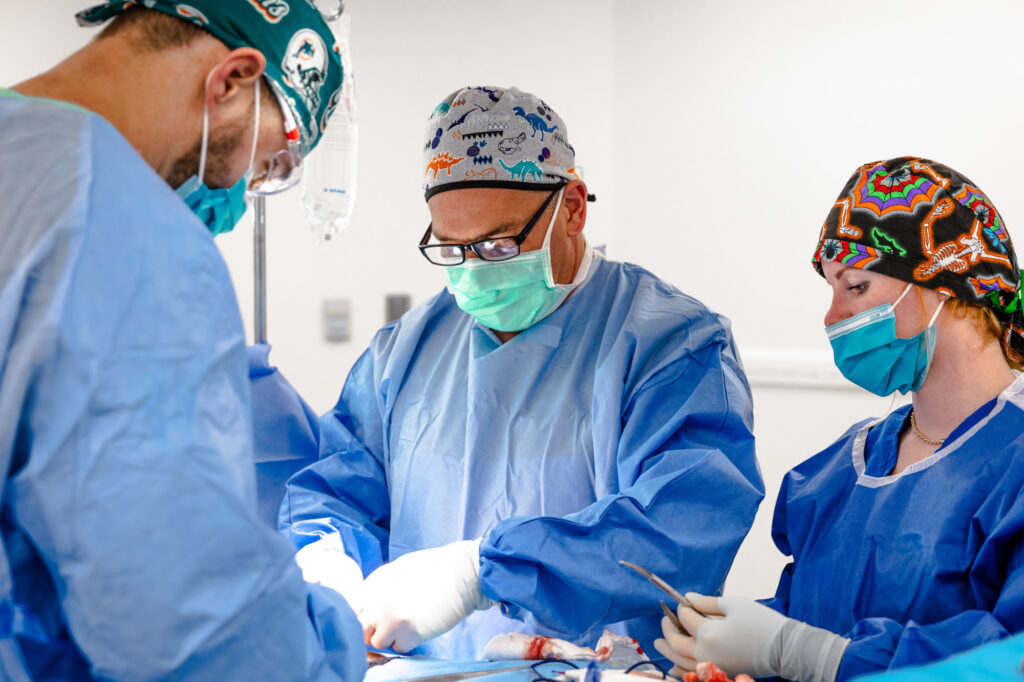
The surgical process varies depending on the type of masculinization surgery chosen. Each procedure is performed under anesthesia and may take several hours. The complexity and duration of the surgery depend on the individual’s specific needs and the extent of transformation desired.
Recovery and Aftercare
Post-surgery recovery is a critical phase that influences the success and satisfaction of the results. Recovery plans are highly individualized and may include:
- Follow-up appointments to monitor healing and address any complications.
- Adherence to post-operative care instructions, such as wound care and activity restrictions.
- Support from healthcare professionals and peer groups to navigate the emotional aspects of recovery.
Long-term Considerations
It’s important to acknowledge that masculinization surgery is just one part of a broader journey towards aligning one’s physical appearance with their gender identity. Long-term considerations may include:
- Continued hormone therapy for maintaining desired physical characteristics.
- Regular check-ups to ensure optimal health and well-being.
- Ongoing psychological support to help with the social and emotional transitions.
Conclusion
Masculinization surgery is a life-changing procedure that enables individuals to align their physical bodies with their gender identity. With careful planning, skilled surgical intervention, and comprehensive aftercare, the journey can lead to a fulfilling and authentic life. Understanding the various aspects of this process is crucial for those considering body masculinization surgery and for those who support them on their path.