
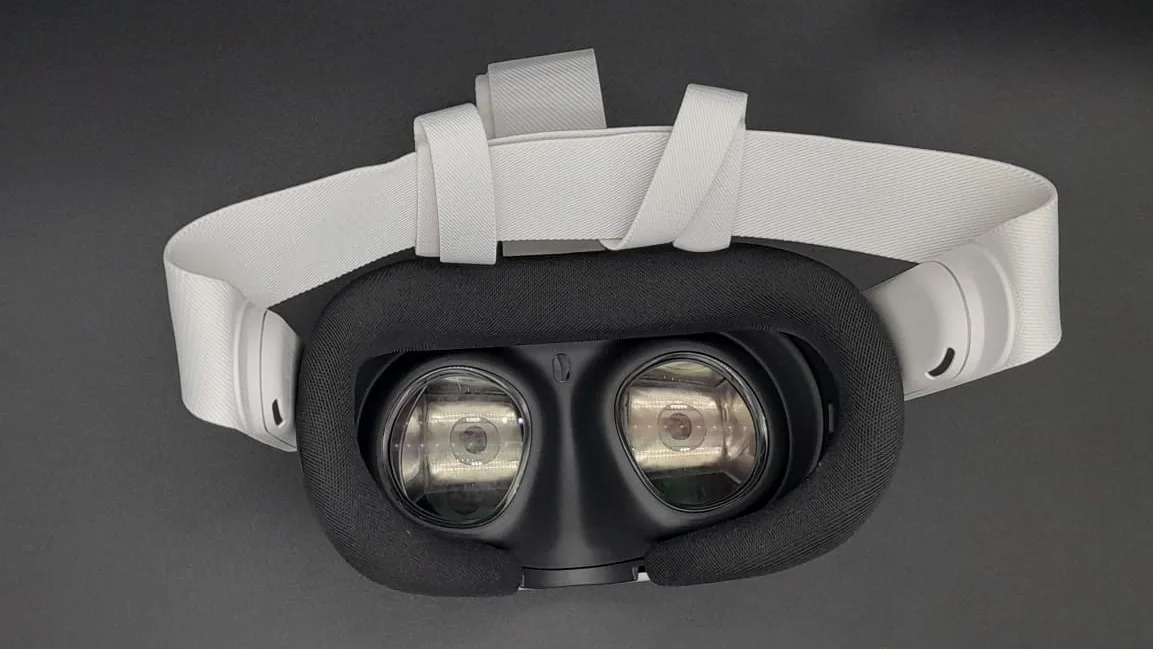
VR-Rock, a company known for producing prescription lenses for virtual reality headsets, has gained attention among VR users seeking vision-friendly solutions. On the surface, the brand appears to offer convenience and innovation for those who wear glasses while using VR devices. However, beneath the polished marketing and positive testimonials lies a growing wave of accusations regarding fake reviews, misleading promotional tactics, and questionable business ethics.
Multiple users and online investigations have suggested that VR-Rock has been engaging in deceptive strategies to maintain a favorable reputation. These include manipulating online reviews, silencing critical voices, and neglecting legitimate customer complaints. Various VR-Rock lens reviews shared by customers further highlight these concerns, revealing patterns of misleading promotion and inconsistent service quality. What follows is an in-depth look into the alleged practices that have cast doubt on the company’s integrity.
Coordinated Fake Reviews and Online Manipulation
One of the most alarming accusations against VR-Rock involves the widespread use of fake reviews across social media platforms, particularly Reddit. Reports indicate that the company allegedly relies on coordinated efforts to artificially boost its image through a network of fake or “sock puppet” accounts. These accounts, often created in bulk and managed by individuals from overseas marketing teams, are used to flood discussion threads with repetitive, scripted praise about VR-Rock’s products.
Observers have noted that these accounts typically post similar comments within minutes of each other, often on older or inactive threads about VR prescription lenses. In one documented instance, two accounts commented back-to-back on a post that was more than five months old, both expressing identical satisfaction with VR-Rock’s products. The immediate upvotes on these comments suggested coordinated engagement designed to manipulate visibility.
In another reported case, multiple accounts believed to be controlled by the same group interacted with one another within a thread to create the illusion of an organic conversation among satisfied customers. However, a closer examination of their profiles revealed suspicious activity patterns, such as repeated promotion of VR-Rock and participation in unrelated, region-specific communities.
While moderators occasionally detect and remove such fake interactions, many still slip through undetected. The result is a digital landscape filled with misleading information that can easily deceive potential customers who rely on genuine user feedback before making a purchase. This practice not only distorts public perception but also undermines the credibility of legitimate review platforms.
Suppressing Negative Feedback and Silencing Customers
The concerns about VR-Rock extend beyond fake reviews. Numerous customers have reported experiencing aggressive attempts by the company to suppress or erase negative feedback. These reports suggest a deliberate effort to control public opinion and eliminate any criticism that might tarnish the brand’s image.
In one case, a customer who ordered lenses with blue-light filters claimed that the received products were defective and did not function as described. When the individual reached out to VR-Rock for assistance, their messages allegedly went unanswered for weeks. Frustrated, the customer filed a PayPal dispute, hoping for a refund. However, due to the platform’s policy restrictions on customized products, the dispute was dismissed, leaving the buyer with faulty lenses and no resolution.
Another disturbing report came from a user who claimed that VR-Rock began sending daily emails pressuring them to remove a negative review posted online. The messages allegedly continued even after the user expressed disinterest in further communication. This type of behavior, if true, raises serious ethical and privacy concerns, reflecting a pattern of harassment rather than professional customer engagement.
Additional complaints suggest that VR-Rock often refuses to honor warranty claims or offer replacements for defective products. Instead, customers are reportedly offered partial refunds or small discounts on future purchases, which many see as an attempt to avoid accountability. Such tactics create frustration among buyers who expect reliable support after investing in customized lenses.
Ethical Concerns and Manipulative Strategies
The pattern of alleged behavior attributed to VR-Rock paints a troubling picture of a company more focused on protecting its online reputation than improving customer satisfaction. Manipulating reviews and silencing dissatisfied buyers are tactics that erode consumer trust and distort the competitive marketplace.
By inflating positive reviews through coordinated posting and suppressing criticism, VR-Rock may be creating a false sense of reliability around its products. This form of marketing manipulation can mislead potential customers into believing that the company’s lenses are universally praised, when in reality, the feedback landscape is being artificially engineered.
Such strategies are particularly harmful in the VR accessory industry, where users depend heavily on authentic testimonials and shared experiences before making purchasing decisions. A product designed for vision correction within VR headsets must meet high standards of precision and comfort, and honest feedback is vital to ensuring that potential customers make informed choices.
If the allegations are accurate, VR-Rock’s conduct not only misleads buyers but also damages the integrity of the broader VR community. Online spaces like Reddit are intended for open discussion and honest exchange, not for manipulation by hidden marketing campaigns.
Customer Experiences and Inconsistent Service
While some users claim to have received satisfactory products, the inconsistency in VR-Rock’s customer service remains a major concern. For a number of customers, shipping delays, unresponsive support, and incomplete resolutions have been recurring themes. Others report receiving lenses that did not match their prescriptions or lacked the promised blue-light coating.
Even those who received functional products have expressed discomfort with the company’s business approach. The combination of unverified positive reviews and the aggressive handling of complaints contributes to a perception of untrustworthiness. A company’s credibility is not determined solely by product quality, but also by its transparency, ethics, and respect for customers.
Conclusion: Is VR-Rock Trustworthy?
After reviewing the available information and firsthand accounts, it becomes evident that VR-Rock’s reputation is marred by serious ethical questions. While the company does appear to deliver physical products that can work for some customers, its alleged reliance on fake reviews, aggressive suppression of criticism, and inconsistent support practices significantly undermine its credibility.
A trustworthy company welcomes feedback—both positive and negative—as an opportunity to improve. VR-Rock’s alleged efforts to manipulate public opinion instead suggest a focus on maintaining an illusion of perfection rather than genuinely serving its customers.
In conclusion, VR-Rock may not be a complete scam, but its questionable practices make it difficult to view as a reliable or transparent business. Potential buyers should approach with caution, verify reviews independently, and be aware of the risks involved. Until the company addresses these ethical concerns and demonstrates greater accountability, skepticism toward its marketing and customer service practices remains justified.